How To Clean And Care For Your Stone Benchtop
Stone benchtops are often one of the most heavily used surfaces in a home. From preparing meals and placing groceries down to handling everyday spills, they experience constant use throughout the day.
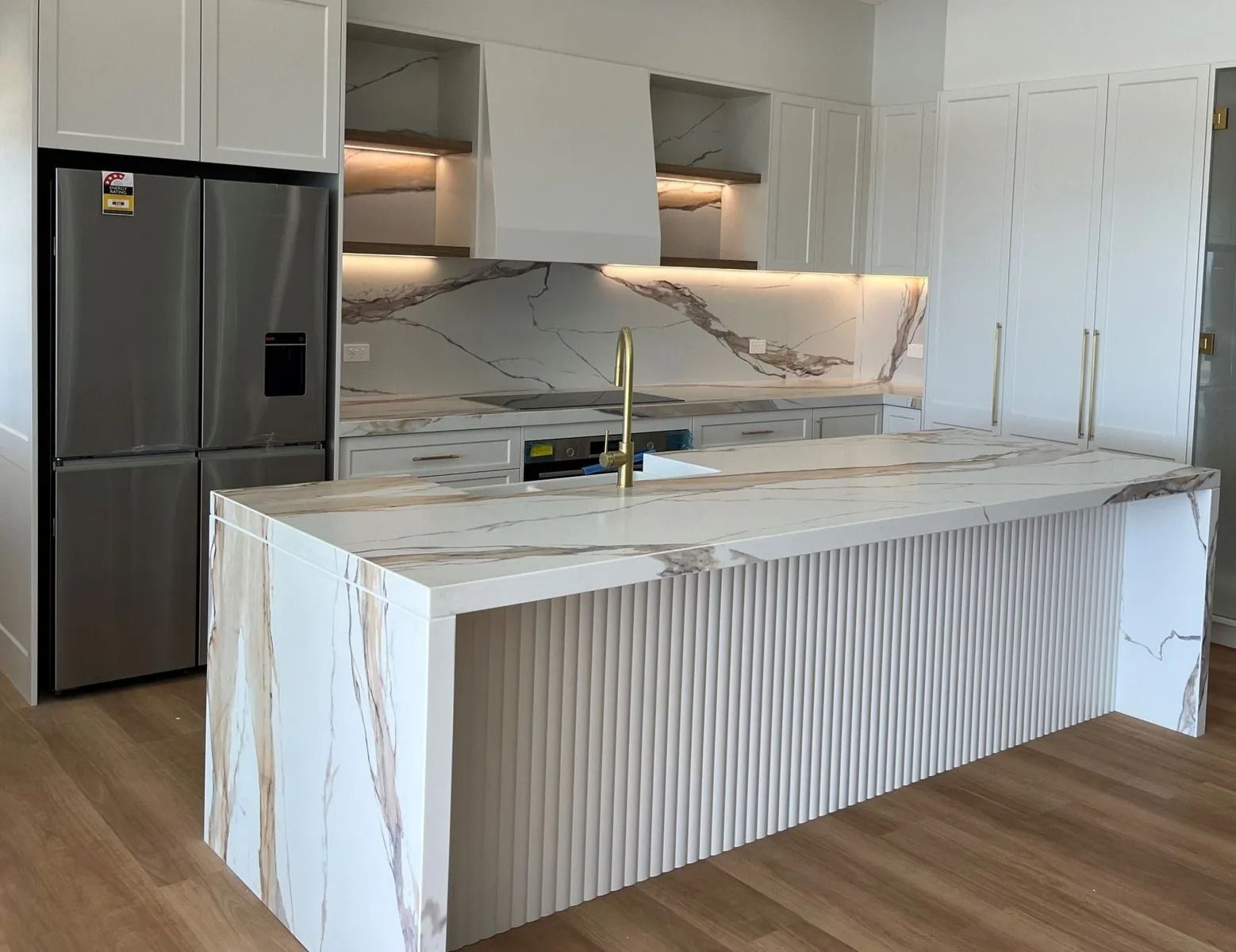
For homeowners with benchtops in Tamworth, understanding how to clean and maintain stone surfaces properly can help preserve both their appearance and practicality over time. While stone is known for its durability, the products and habits used during cleaning still play an important role in how the surface ages.
Whether the benchtop is newly installed or has been part of the home for years, consistent care can help keep the surface looking clean and well-maintained.
Daily cleaning habits make a bigger difference than most homeowners realise
Routine cleaning is one of the simplest ways to maintain the condition of a stone benchtop. Small spills, food residue and moisture left sitting on the surface for long periods can gradually affect how the stone looks over time.
A soft cloth with warm water and a mild cleaner is often suitable for everyday use. Wiping surfaces regularly helps prevent build-up and reduces the likelihood of stains becoming more difficult to remove later.
For many homeowners researching how to care for stone benchtops, consistency matters more than intensive cleaning. Gentle daily maintenance can often help preserve the finish more effectively than occasional heavy scrubbing.
The safest products to use when cleaning stone benchtops at home
Choosing suitable cleaning products helps protect the surface while still removing everyday dirt and spills effectively.
Products and tools commonly recommended include:
- pH-neutral stone cleaners designed for natural or engineered stone
- soft microfibre cloths for wiping surfaces without scratching
- warm water for daily cleaning of light residue
- non-abrasive sponges for occasional deeper cleaning
It is generally advisable to avoid products containing bleach, ammonia or strong acidic ingredients unless specifically recommended for the stone type. Understanding how to clean a stone benchtop safely often starts with using gentler products consistently rather than relying on harsh cleaners.
Why harsh chemicals and abrasive pads can damage stone surfaces over time
Stone surfaces may appear highly durable, but certain cleaning products can gradually wear down finishes or affect the protective sealant applied to the benchtop.
Abrasive scrubbing pads can leave fine scratches, while acidic cleaners may dull polished finishes or contribute to etching on some stone types. Even common household products such as vinegar or citrus-based cleaners may not be suitable for all surfaces.
For homeowners with stone or silica free stone benchtops, using the wrong products repeatedly can affect both appearance and long-term maintenance requirements. Avoiding aggressive cleaning methods helps reduce unnecessary wear across the surface.
How to remove stains from stone benchtops without causing further damage
Stains are a common concern, particularly in kitchens where spills happen regularly. Acting quickly often makes stains easier to manage before they settle into the surface.
For common stains:
- coffee and tea marks may lift with warm water and a stone-safe cleaner
- oil residue can sometimes be reduced using a mild degreasing product designed for stone
- wine spills should be blotted quickly rather than wiped across the surface
- food stains are generally easier to remove when addressed promptly
When researching how to remove stains from stone benchtops, it is important to avoid scrubbing aggressively or experimenting with harsh chemicals. If staining persists, professional advice may be more appropriate than attempting stronger DIY treatments.
Different stone finishes may require slightly different care routines
Not all stone benchtops respond the same way to cleaning methods. The type of finish applied to the surface can influence how marks, fingerprints and residue appear.
Polished finishes often highlight smudges more easily but are generally straightforward to wipe clean. Matte finishes may conceal fingerprints better, though they can sometimes require more attention when removing oily residue. Textured finishes may trap dust or crumbs more readily due to their surface profile.
Understanding the finish type helps homeowners tailor their cleaning routine more appropriately rather than using identical methods across all surfaces.
Heat, moisture and spills: the everyday habits that affect stone longevity
Daily habits can influence how well a stone benchtop performs over time, even when the surface is cleaned regularly.
Helpful preventative habits include:
- using trivets or heat pads under hot cookware
- wiping spills promptly before they settle into the surface
- avoiding standing water around sinks or joins
- using chopping boards rather than cutting directly on the stone
These simple steps can help reduce surface wear and minimise the likelihood of long-term staining or discolouration. For households with busy kitchens, preventative care often becomes part of maintaining the appearance of cleaning stone benchtops over the years.
What to do if your benchtop becomes chipped, scratched or etched
Despite careful maintenance, accidental damage can still occur. Heavy impacts, unsuitable cleaning products or prolonged exposure to moisture may sometimes leave visible marks on the surface.
Small chips or scratches may appear minor initially but can become more noticeable over time depending on the stone finish and location of the damage. Attempting DIY repair methods may sometimes worsen the appearance or create uneven patches across the surface.
If damage occurs, seeking professional advice is generally the safer approach. A specialist can assess whether repair, refinishing or replacement is more suitable for the condition of the benchtop.
Long-term care starts with choosing the right stone benchtop from the beginning
Ongoing maintenance is often influenced by the material selected during installation. Different stone products vary in texture, finish and maintenance requirements, which can affect how easily they fit into daily household routines.
When selecting materials, homeowners may consider:
- how often the surface will be used
- whether the kitchen experiences heavy cooking activity
- the preferred finish and appearance
- maintenance expectations over time
For homeowners considering looking to upgrade their custom benchtops in Tamworth, understanding long-term care requirements can help guide material selection alongside visual preferences.
Daily use, spills and changing temperatures can all affect how stone surfaces perform over time, particularly in busy kitchens and family homes around Tamworth. Consistent cleaning and practical care habits can help maintain the appearance and condition of stone surfaces for years to come.
At That's Tops by Design, we work with homeowners across Tamworth on stone and silica-free benchtop solutions suited to a wide range of homes and lifestyles. If you are considering new benchtops in Tamworth or would like guidance on maintaining your existing surfaces, our team can help you explore suitable options and care considerations.