Top 10 Kitchen Layout Mistakes That Ruin Your Benchtop Flow
When planning a new kitchen or renovation, most homeowners focus heavily on colours, finishes and materials. While these choices matter, the overall layout plays an equally important role in how your kitchen functions day to day. Even the highest-quality benchtops in Tamworth can fall short if the surrounding layout doesn’t support good flow, practical movement and everyday usability.
Benchtop flow refers to how easily you can move, prepare food, clean and work across your kitchen surfaces without obstruction or frustration. Poor planning can result in cramped work zones, wasted space and benchtops that look good but don’t perform well. This guide explores the most common kitchen layout mistakes that impact benchtop flow, along with practical ways to avoid them when designing kitchen benchtops in Tamworth.
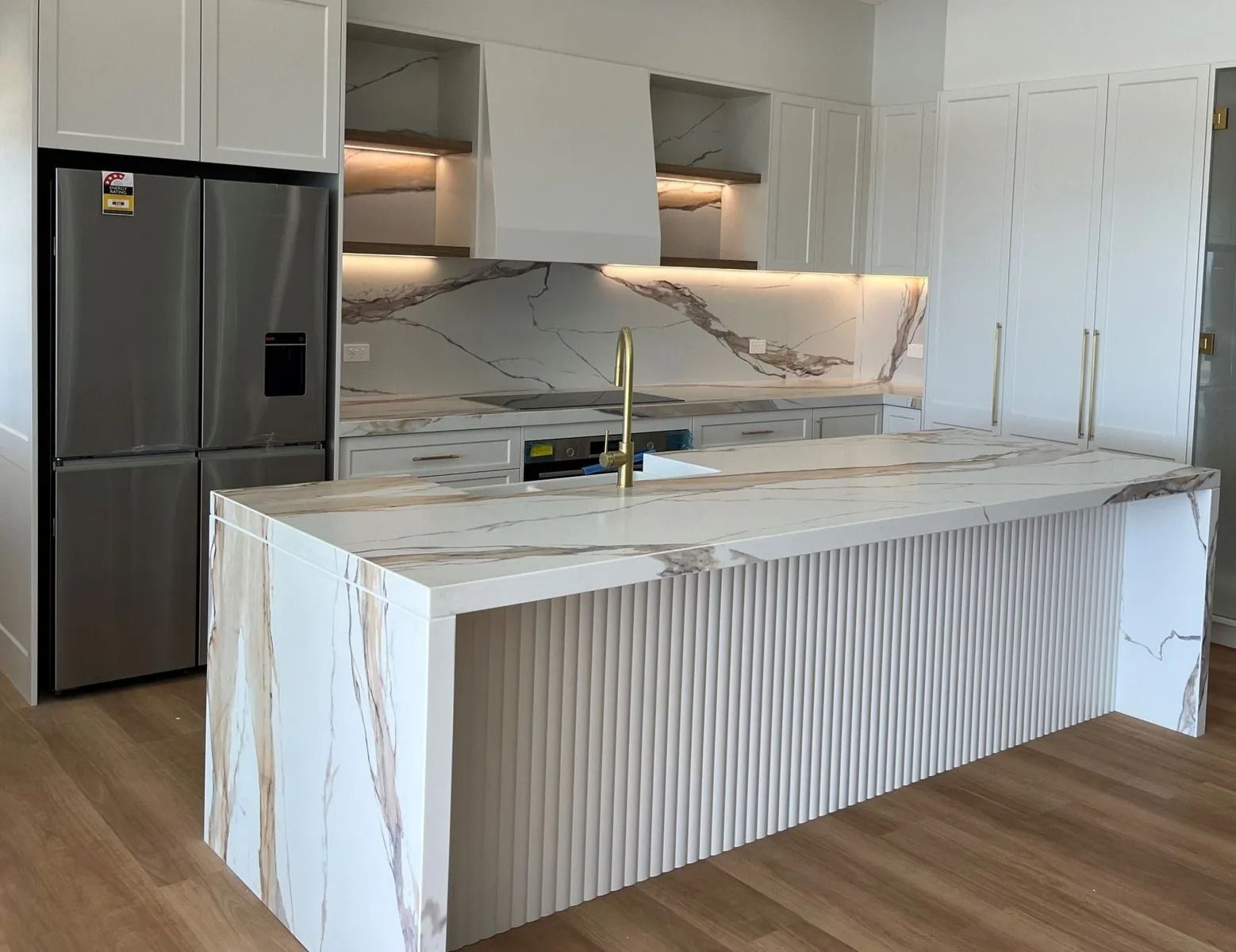
1. Not Planning Benchtop Flow Early
One of the biggest mistakes is treating benchtops as a finishing detail rather than a core part of the kitchen layout. When benchtop planning is left until late in the design process, it often has to work around fixed cabinetry, appliances and walls.
Why this causes problems:
- Limited prep space between key zones
- Awkward joins or narrow benchtop sections
- Reduced functionality despite premium materials
Benchtop design should begin early, alongside cabinetry and appliance placement, particularly when considering custom benchtops in Tamworth.
2. Incorrect Spacing Between Benchtops and Cabinets
Spacing is critical for comfort and usability. Kitchens that are too tight or too wide can disrupt natural movement and workflow.
Common spacing issues include:
- Walkways that are too narrow for two people
- Excessively wide gaps that break work zones
- Benchtops that clash with drawers or appliance doors
Well-planned spacing allows smooth movement and uninterrupted use of benchtops throughout the kitchen.
3. Poor Island Bench Sizing
Kitchen islands are a popular feature, but incorrect sizing can quickly compromise benchtop flow.
Problems caused by oversized or undersized islands:
- Restricted walkways
- Limited access to appliances
- Reduced usable bench space
- Crowded work areas
An island should enhance, not obstruct, movement. Its size should be determined by room dimensions, traffic flow and how the benchtop will be used.
4. Inadequate Prep Space Near Key Appliances
Prep zones are often overlooked, especially near sinks, cooktops and ovens. When appliances are placed without considering benchtop clearance, everyday tasks become awkward.
Common mistakes include:
- Minimal bench space beside the cooktop
- No landing space next to the oven
- Insufficient surface near the sink
These issues can make food preparation inefficient.
5. Overcrowding the Benchtop With Appliances
While modern kitchens often include multiple appliances, placing too many on the benchtop can reduce usable space and disrupt flow.
Typical issues:
- Benchtops cluttered with small appliances
- Reduced prep areas
- Visual overcrowding
Designing designated storage or appliance garages helps preserve benchtop space and maintain clean lines.
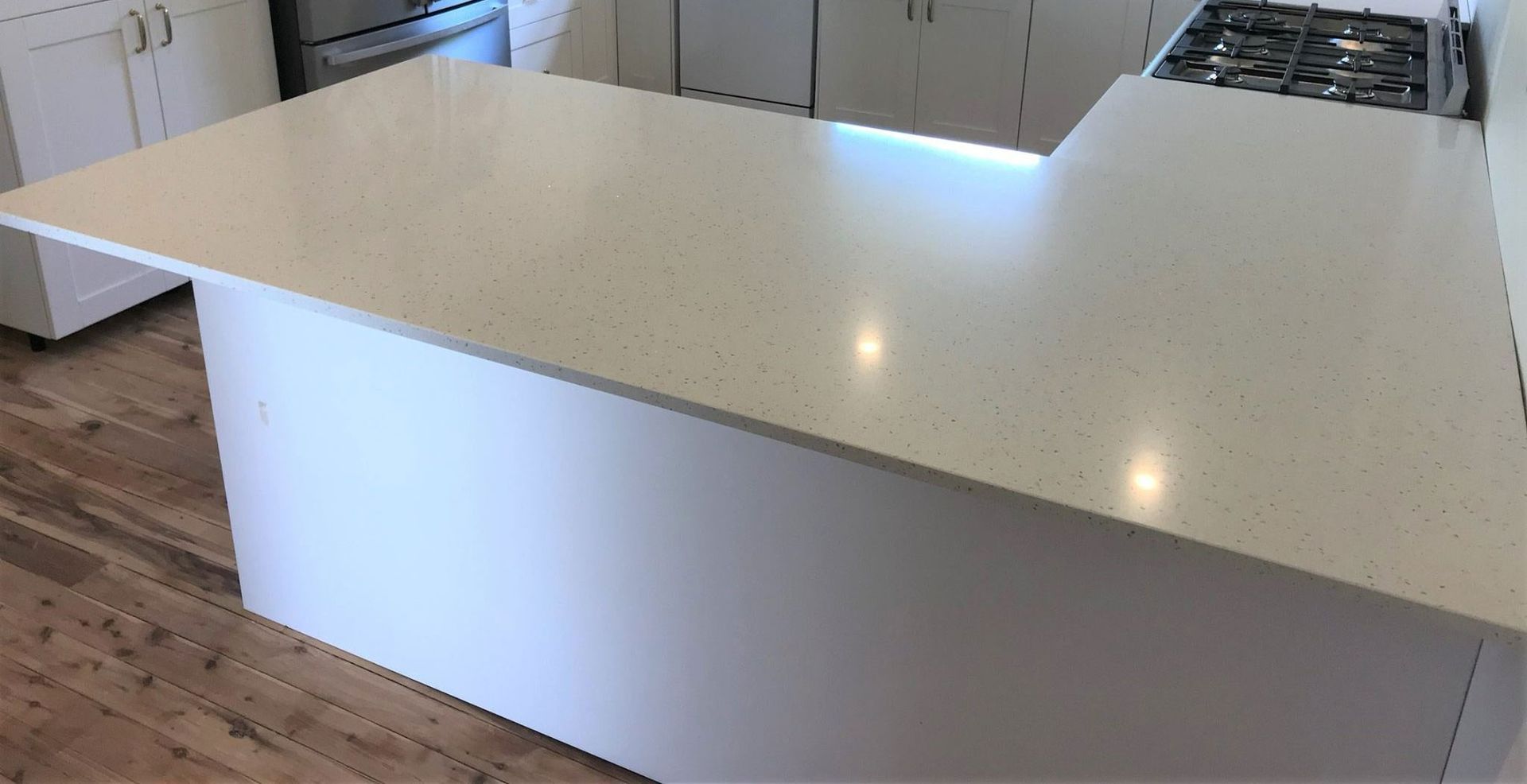
6. Ignoring Corner Functionality
Corner areas are notorious for becoming wasted or awkward spaces if not planned carefully.
Common corner layout mistakes:
- Benchtops that taper awkwardly
- Hard-to-reach work areas
- Poor access to corner cabinetry
Thoughtful corner design can transform these areas into functional prep zones or seamless extensions of the benchtop.
7. Choosing Benchtop Depth Without Considering Use
Standard benchtop depths don’t suit every household. Failing to tailor depth to lifestyle needs can limit functionality.
Issues that arise include:
- Not enough space for food prep
- Appliances encroaching on work areas
- Benchtops feeling cramped
Custom depths are often considered when designing custom benchtops in Tamworth, allowing surfaces to suit how the kitchen is actually used.
8. Overlooking Seating Impact on Benchtop Flow
Seating at islands or peninsulas can be a great feature, but it needs careful planning.
Common seating-related mistakes:
- Not allowing enough knee clearance
- Seating blocking main walkways
- Reduced prep space when stools are in use
Balancing seating and work areas ensures benchtops remain practical even when the kitchen is busy.
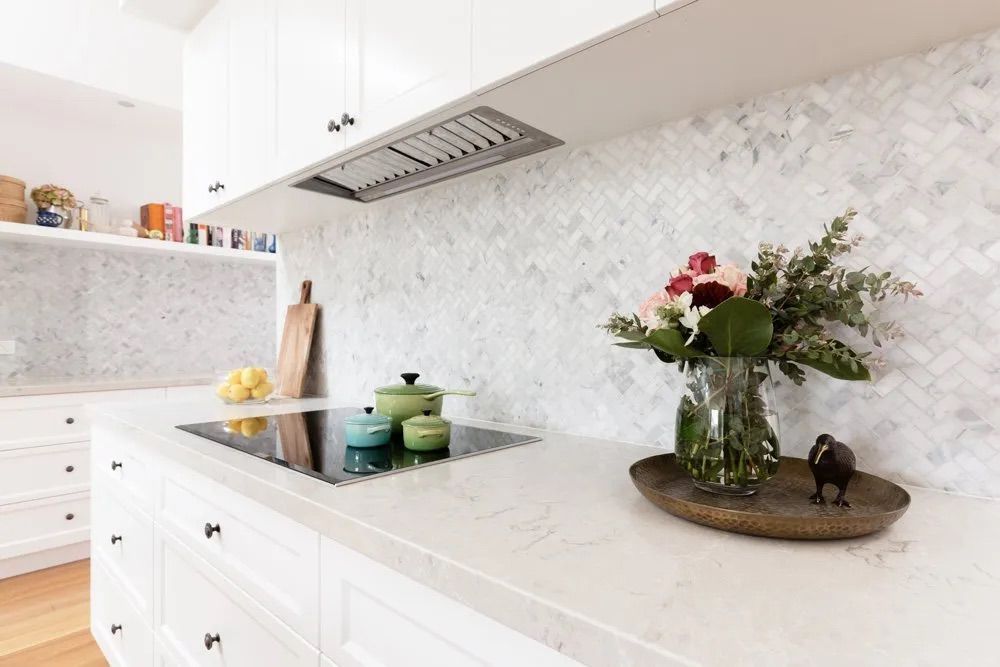
9. Poor Alignment With Cabinetry and Splashbacks
Misalignment between benchtops, cabinetry and splashbacks can disrupt both aesthetics and usability.
Problems may include:
- Uneven joins
- Difficult-to-clean gaps
- Visually cluttered surfaces
Accurate measurements and coordination between all elements help create a smooth, continuous benchtop surface.
10. Not Accounting for Lifestyle and Household Needs
Every household uses their kitchen differently. Designing a layout without considering daily routines can undermine benchtop performance.
Examples include:
- Insufficient space for family meal prep
- Limited room for baking or entertaining
- Benchtops that don’t suit shared use
Understanding lifestyle needs is key to designing kitchen benchtops in Tamworth that genuinely support everyday living.
Why Layout Matters as Much as Material
Material choice is important, whether you’re considering laminate, porcelain or stone benchtops in Tamworth, but layout determines how those materials perform in real life. A well-designed layout allows benchtops to work as intended, supporting smooth movement, clear prep zones and comfortable use.
Poor layout, on the other hand, can make even premium benchtops feel impractical.
The Value of Custom Benchtop Solutions
Custom solutions allow benchtops to be shaped, sized and positioned to suit the kitchen layout rather than forcing the layout to suit standard sizes.
Benefits of custom benchtops in Tamworth include:
- Improved flow and usability
- Better use of available space
- Designs tailored to lifestyle needs
- Greater flexibility in layout planning
Customisation is particularly useful in renovations where existing walls and services may limit options.
Designing for Tamworth Homes
Tamworth homes often balance practicality with modern design. Kitchens are expected to handle daily family use, entertaining and long-term durability.
Local considerations include:
- Family-focused layouts
- Practical prep zones
- Durable materials
- Designs that suit both renovations and new builds
Planning benchtop flow with these factors in mind supports long-term satisfaction.
Getting the Most From Your Kitchen Benchtops
Avoiding common layout mistakes helps ensure your benchtops deliver both form and function. Thoughtful planning, accurate measurements and a clear understanding of how the kitchen will be used all contribute to better outcomes.
If you’re planning a renovation or new build, reviewing layout decisions early can help prevent costly changes later.
Benchtops in Tamworth – Local Knowledge That Supports Better Design
At That’s Tops by Design, we work with homeowners to create benchtops in Tamworth that suit both layout and lifestyle. With a focus on practical kitchen design and custom benchtops in Tamworth, we help clients avoid common layout mistakes that affect flow and usability. If you’re planning kitchen benchtops in Tamworth or considering stone benchtops in Tamworth, visit our website to explore options and learn more about designing benchtops that work seamlessly within your kitchen.